
Mosquitoes are among the most persistent pests in tropical and subtropical climates, but not all species carry the same level of health risk. Among the hundreds of mosquito species, the Anopheles mosquito holds critical public health importance because it is the sole vector capable of transmitting human malaria.
Understanding how to identify this species, knowing its unique biting habits, and taking proactive control measures are essential steps in protecting your home and family.
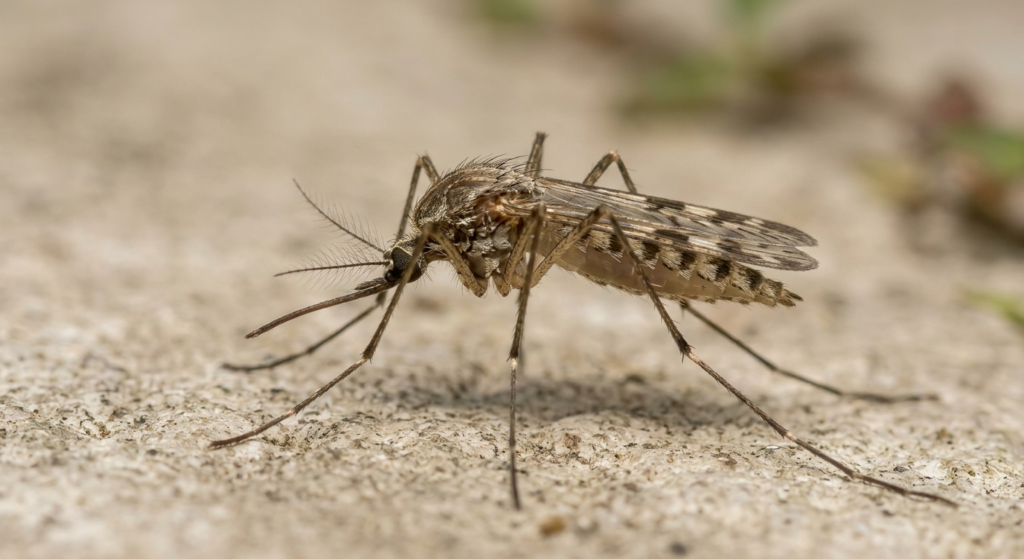
Why the Anopheles Mosquito Matters
The primary threat associated with the Anopheles species lies in its role as a disease carrier:
-
Sole Transmitter of Malaria: Human malaria is caused by microscopic parasites known as Plasmodium. Only female Anopheles mosquitoes can transmit these parasites from person to person when taking a blood meal to nourish their eggs.
-
Nocturnal Feeding Behavior: Unlike the Aedes mosquito (which primarily bites during daylight hours), most Anopheles species are active between dusk and dawn. This makes nighttime protection—such as bed nets and sealed window screens—a critical defense mechanism.
-
Breeding Environment: Anopheles mosquitoes prefer laying individual eggs directly on the surface of relatively clean, unpolluted, slow-moving or stagnant fresh water—including ponds, marshes, ditches, and rainwater collection containers.
How to Identify the Anopheles Mosquito
Identifying an Anopheles mosquito with the naked eye comes down to observing two main characteristics: its posture and its physical features.
1. The Signature Resting Posture (The 45-Degree Angle)
The easiest way to tell an Anopheles mosquito apart from common house mosquitoes (Culex or Aedes) is how it sits on a wall or flat surface:
-
Anopheles: Rests with its body, head, and abdomen aligned in a straight line tilted at a 30 to 45-degree angle relative to the surface (appearing almost like it is standing on its head).
-
Other Mosquitoes: Sit parallel to the surface, holding their body flat with a slight bend in their abdomen.
2. Physical Characteristics
-
Wings: Anopheles mosquitoes often feature dark and light scales forming distinct spot patterns on their translucent wings.
-
Palps: Their maxillary palps (sensory organs next to their proboscis) are nearly as long as their feeding tube, giving their head a longer, more streamlined appearance.
Effective Control and Prevention Strategies
Controlling the Anopheles population requires a combination of personal protective measures and integrated pest management:
-
Eliminate Stagnant Clean Water: Regularly inspect outdoor areas for standing water. Empty, cover, or treat water barrels, irrigation ditches, birdbaths, and flowerpots.
-
Install Barrier Protection: Secure windows and doors with fine-mesh screens to keep night-biting mosquitoes outside.
-
Use Mosquito Sleeping Nets: If sleeping in areas with active malaria transmission, sleeping under a mosquito net provides reliable protection against bites.
-
Professional Mosquito Control: Professional treatments—including indoor residual spraying (IRS), anti-larval treatments, mosquito thermal fogging and ULV cold fogging—help break the breeding cycle and suppress adult mosquito populations effectively.